Policy demands

Unlock farms’ potential now!

In recent years, permitting for agricultural projects across the EU has increasingly stalled. Rather than supporting farmers’ investments, fragmented procedures, overlapping rules, administrative bottlenecks and new guidelines brought forward by ECJ rulings have left many projects delayed, stalled or blocked altogether.

See what must change
Unlock farms’ potential now!
Why action is needed

Europe cannot afford to keep viable projects on paper

These barriers do not only affect individual farms or cooperatives. They weaken Europe’s overall competitiveness, increase strategic dependencies, undermine domestic production capacity, food security and biomass production, and slow down innovation and sustainability.

Farmers are prevented from modernising infrastructure to improve animal welfare and environmental sustainability. The situation is no longer tenable, and a profound shift is needed.

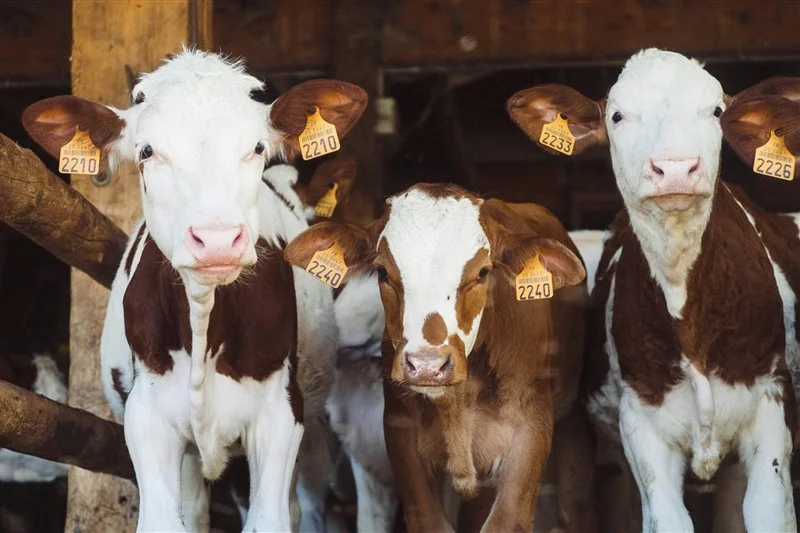
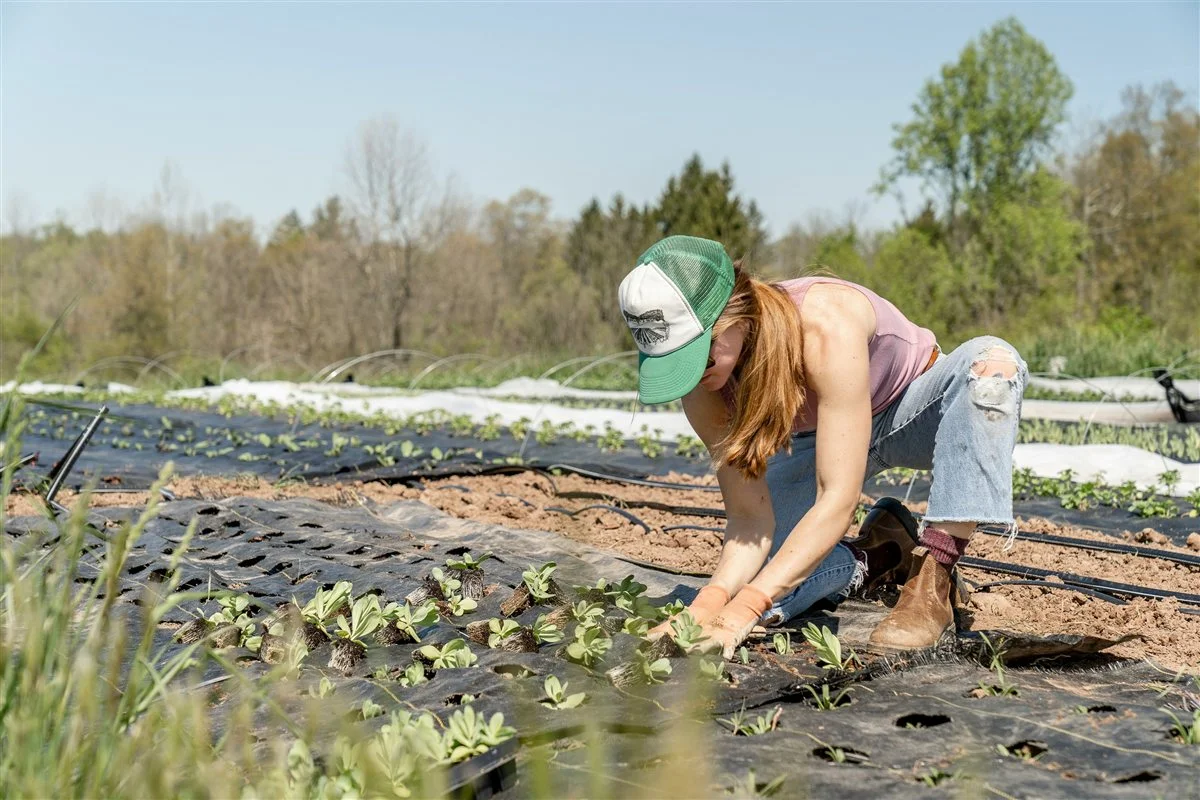
Illustrative photograph · Zoe Richardson / Unsplas
"A practical way forward

Three clear demands to drive change

A clearer and more predictable system can protect the environment while allowing responsible farm investment to move forward.

EU environmental legislation must be reviewed and revised to simplify permitting to a more pragmatic and implementable system

Agricultural and forestry projects are often subject to multiple EU frameworks, including the Water Framework Directive, Habitats Directive, Birds Directive, Nitrates Directive, Industrial Emissions Directive and Environmental Impact Assessment Directive, which create complex and sometimes overlapping or conflicting obligations.

In practice, certain objectives are difficult to reconcile, placing farmers in legally uncertain and operationally unworkable situations. This cumulative regulatory burden cannot be resolved only through additional guidance. These frameworks need to be reviewed for their fitness for purpose and operational effectiveness on the ground—without lowering environmental ambition, but making it achievable and simpler.

To this end, it is essential that these legislations are modernised to bring them into line with more technological and scientific advances; while also removing the burdens that overlapping and contradictory implementations & judgements have created.

Permitting procedures must be streamlined

Farmers and agri-cooperatives face complex, multi-layered authorisation processes shaped both by EU legislation and its implementation at Member State level. While procedures vary across countries and competent authorities, they are often compounded by overlapping EU requirements, creating additional layers of complexity. A more integrated and coordinated approach, at both EU and national level, is essential to reduce unnecessary duplication, ensure clarity and allow projects to move forward within a predictable timeframe.

Enforceable time limits must be introduced, and systemic litigation shall be addressed

Permitting processes cannot remain open-ended. Clear deadlines for administrative decisions are necessary to provide legal certainty and investment security. At the same time, repeated and strategic litigation practices that systematically delay projects must be tackled, while preserving access to justice.